
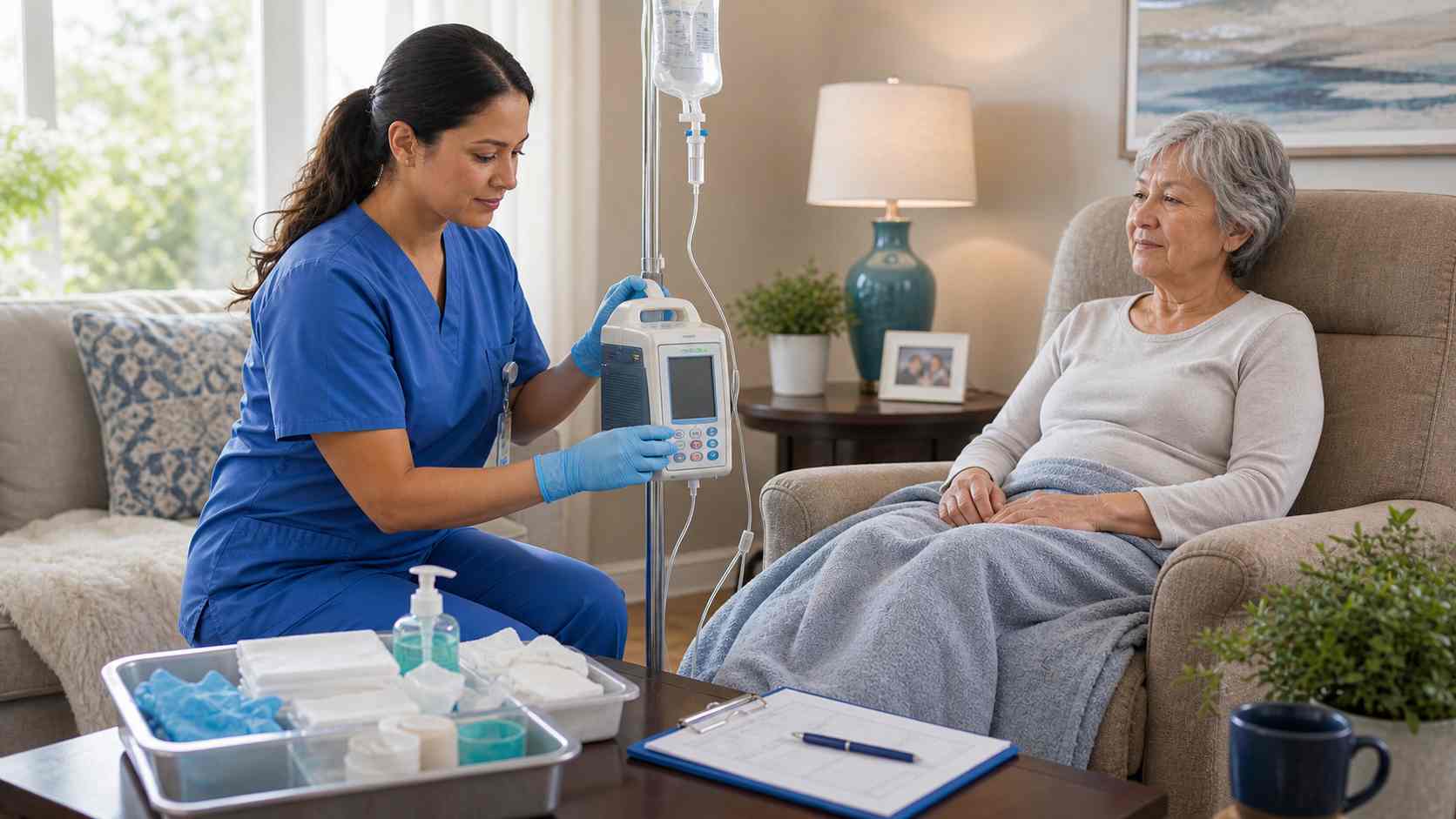
Recovering from a bacterial infection sometimes requires more than oral antibiotics. For patients who need intravenous (IV) antibiotics but are stable enough to remain outside a hospital, receiving treatment at home may be a practical alternative. IV antibiotic therapy at home allows patients to receive prescribed medications through a vein while staying in a familiar environment, potentially making recovery more comfortable and less disruptive.
Home-based IV antibiotic treatment, often referred to as outpatient parenteral antimicrobial therapy (OPAT), is provided under the supervision of qualified healthcare professionals. It can be an option for patients with certain infections who require extended treatment but do not need continuous hospital monitoring. Understanding how the service works, its benefits, and the precautions involved can help patients and families make informed decisions about their care.
What Is IV Antibiotic Therapy at Home?
IV antibiotic at home involves administering prescribed antibiotics directly into the bloodstream through an intravenous line. Unlike oral medications, which are absorbed through the digestive system, intravenous antibiotics enter the bloodstream directly, making them suitable for certain infections or treatment situations where oral therapy may not be appropriate.
Home IV antibiotic services are typically coordinated by a medical team that evaluates the patient’s condition, medication requirements, treatment duration, and home environment. Depending on the care arrangement, a qualified nurse may visit the patient to administer medication, monitor the IV access site, assess for complications, and provide instructions to the patient or caregiver.
This treatment is not appropriate for every infection or patient. A healthcare professional must determine whether home-based therapy is medically suitable and whether adequate monitoring and support are available.
Which Conditions May Require IV Antibiotics at Home?
Some bacterial infections require prolonged antibiotic treatment, and patients may be able to continue therapy at home after an initial hospital evaluation or treatment period.
Conditions that may involve home IV antibiotic therapy include:
- Bone and joint infections: Certain infections affecting bones or joints may require extended antibiotic treatment.
- Complicated skin and soft tissue infections: Severe infections may sometimes require intravenous antibiotics as part of a broader treatment plan.
- Bloodstream infections: Selected patients may transition to outpatient treatment once their condition is stabilized and appropriate follow-up is arranged.
- Certain respiratory infections: Some complicated bacterial infections may require IV treatment depending on their severity and the patient’s response.
- Urinary tract infections: Complicated infections, particularly those involving the kidneys, may require intravenous treatment in certain cases.
The decision to use home IV antibiotics depends on the infection, laboratory findings, available medications, response to treatment, and overall patient health.
Benefits of Receiving IV Antibiotics at Home
Home IV antibiotic therapy offers several potential advantages for patients who meet the clinical requirements.
Greater Comfort and Convenience
Being treated at home allows patients to remain in familiar surroundings rather than spending additional time in a hospital. Familiar routines, personal belongings, and family support may contribute to a more comfortable recovery experience.
Reduced Hospital Visits
Patients who require prolonged antibiotic treatment may otherwise need repeated hospital visits or an extended hospital stay. Home-based care can reduce the burden of traveling to healthcare facilities when outpatient treatment is medically appropriate.
Personalized Care and Attention
Home healthcare professionals can provide individualized attention, review the patient’s treatment routine, and help address concerns related to medication administration, IV site care, and recovery.
Support for Daily Routines
Depending on the treatment schedule and the patient’s condition, home IV antibiotic therapy may allow individuals to continue some daily activities. This flexibility can be particularly valuable for patients who need weeks of treatment but are otherwise able to manage their routines safely.
How Home IV Antibiotic Treatment Works
Home IV antibiotic therapy generally begins with a healthcare professional assessing whether the patient is suitable for outpatient treatment. The prescribing clinician selects the antibiotic, establishes the treatment schedule, and arranges the necessary monitoring.
A home healthcare provider may coordinate medication delivery, nursing visits, equipment, and patient education. The IV access device may vary depending on the expected treatment duration and the medication being prescribed.
During treatment, patients may receive instructions about keeping the IV access site clean and dry, recognizing warning signs, and following the prescribed medication schedule. Healthcare professionals may also arrange blood tests or follow-up appointments to monitor treatment effectiveness and identify potential side effects.
Patients should never independently change their antibiotic dosage, treatment schedule, or IV access device management without medical guidance.
Safety Precautions and Potential Risks
Although home IV antibiotic treatment can be convenient, it involves risks that require careful management.
Potential complications include infection at the IV site, vein irritation, allergic reactions, medication side effects, and complications associated with the intravenous access device. Some antibiotics may also affect kidney function, blood counts, or other aspects of health, making laboratory monitoring necessary.
Patients and caregivers should contact their healthcare provider if they notice redness, swelling, pain, discharge, or unusual discomfort around the IV site. Fever, chills, rash, or other unexpected symptoms should also be reported promptly.
Seek emergency medical assistance for severe breathing difficulty, swelling of the face or throat, fainting, or other signs of a serious allergic reaction.
Home IV antibiotic services should be delivered through an appropriately supervised healthcare program with access to professional support, clear emergency instructions, and a plan for monitoring the patient’s progress.
Choosing a Home Healthcare Provider for IV Antibiotics
Selecting a qualified home healthcare provider is an important part of safe treatment. Patients and families should look for providers that work with licensed or appropriately qualified nurses, follow infection-control practices, and coordinate care with the prescribing physician.
It is helpful to ask about nursing availability, medication delivery arrangements, emergency support, laboratory monitoring, and how complications are handled. Families should also understand the expected treatment duration, costs, and responsibilities involved in maintaining the treatment environment.
A dependable home healthcare service should explain the process clearly and ensure patients or caregivers understand the precautions required throughout treatment.
Conclusion
IV antibiotic therapy at home can provide a convenient treatment option for patients who require intravenous medication but no longer need hospital-level care. With appropriate medical assessment, professional supervision, and regular monitoring, home-based treatment can help patients continue their recovery in a comfortable and familiar environment.
Understanding the benefits, risks, and responsibilities associated with home IV antibiotics is essential before beginning treatment. Working closely with healthcare professionals and choosing a reliable home healthcare provider can help patients receive the support they need throughout their recovery.