
Autism Peer Interaction Programs That Encourage Meaningful Social Growth
Autism peer interaction programs play an important role in helping children and adolescents on the autism spectrum develop communication skills, emotional understanding, and stronger relationships with others. Social connection is a fundamental part of everyday life, but many autistic individuals experience challenges when navigating conversations, group activities, and unfamiliar social situations.
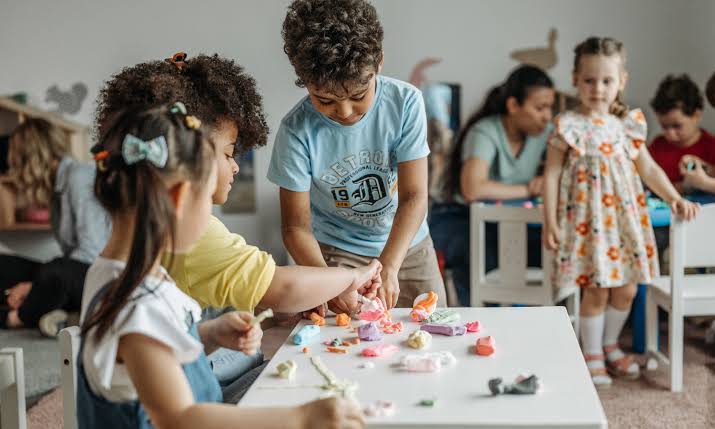
Unlike traditional approaches that focus only on teaching social rules, autism peer interaction programs create opportunities for real-world practice. These structured environments allow participants to interact with peers, develop confidence, and learn valuable relationship-building skills through guided experiences.
Trucogni Autism focuses on supporting individuals with autism by promoting inclusive learning environments where social abilities can grow naturally. Through personalized support and carefully designed activities, participants can explore communication strategies, strengthen self-expression, and develop meaningful connections with others.
Understanding the Importance of Autism Peer Interaction Programs
Autism affects individuals differently, and social communication challenges can vary widely. Some children may find it difficult to begin conversations, interpret body language, understand emotions, or participate in group activities. These challenges do not mean that meaningful friendships and social connections are impossible. With appropriate guidance and consistent practice, many autistic individuals can develop stronger social confidence.
Autism peer interaction programs are designed to address these areas by providing structured opportunities for engagement. Instead of learning social skills in isolation, participants practice communication with peers in supportive settings that reflect everyday situations.
These programs can help individuals:
- Improve verbal and non-verbal communication skills
- Develop confidence during social interactions
- Understand different perspectives and emotions
- Practice cooperation and teamwork
- Build friendships based on shared interests
- Increase independence in community and school environments
The goal is not to change an individual’s personality or communication style. Instead, these programs focus on helping autistic individuals develop tools that make social experiences more comfortable and successful.
How Autism Social Skills Training Supports Development
Social skills are developed through repeated practice and positive experiences. For many children with autism, structured learning environments provide the consistency needed to understand expectations and feel comfortable participating.
Autism social skills training often includes activities that encourage conversation, collaboration, and emotional awareness. These activities may be adapted based on each participant’s abilities, interests, and communication preferences.
Examples of structured social activities include:
Group Communication Exercises
Group discussions and interactive activities help participants practice listening, responding, and sharing ideas. These exercises encourage turn-taking, maintaining conversations, and expressing thoughts clearly.
Cooperative Games and Team Activities
Games that require teamwork allow participants to practice problem-solving, patience, and flexibility. These experiences teach important social behaviors while making learning enjoyable and engaging.
Role-Playing Real-Life Situations
Role-playing activities allow individuals to practice common social experiences, such as introducing themselves, asking questions, resolving disagreements, or joining group conversations.
Shared Interest Activities
Many autistic individuals have strong interests that can serve as a foundation for social connection. Activities based around common interests can make communication feel more natural and encourage peer relationships.
By practicing these skills in a supportive environment, participants can gradually become more comfortable interacting with others.
The Benefits of Peer-Based Learning for Autism
Peer interaction provides learning experiences that are difficult to recreate through individual instruction alone. When children interact with other children, they encounter natural opportunities to observe communication patterns, respond to different personalities, and develop social awareness.
One major advantage of autism peer interaction programs is that they promote authentic relationships. Participants can experience what it feels like to share ideas, cooperate on projects, and enjoy activities with others who understand and respect different communication styles.
Peer-based learning can support:
Increased Social Confidence
Many autistic children may feel uncertain in social situations due to previous challenges or misunderstandings. Positive peer experiences can help reduce anxiety and encourage greater participation.
Improved Emotional Understanding
Recognizing emotions and responding appropriately are important parts of social communication. Guided activities can help participants identify feelings, understand reactions, and develop empathy.
Stronger Communication Abilities
Regular interaction with peers provides opportunities to practice conversations, clarify thoughts, and learn effective ways to express needs and opinions.
Greater Sense of Belonging
Feeling accepted is essential for emotional well-being. Inclusive peer environments help autistic individuals develop connections where they feel valued and understood.
Creating Supportive Environments for Autism Peer Interaction Programs
The success of autism peer interaction programs depends greatly on the environment where learning takes place. A supportive setting should provide structure while allowing individuals to express themselves comfortably.
Effective programs often include:
- Experienced professionals who understand autism development
- Small group settings that encourage participation
- Clear routines and predictable activities
- Individualized strategies based on personal needs
- Positive reinforcement and encouragement
A welcoming environment helps participants feel safe while exploring new social experiences. When individuals are comfortable, they are more likely to participate, communicate, and develop confidence.
Supportive programs also recognize that every person with autism has unique strengths. Some individuals may communicate verbally, while others may prefer alternative communication methods. Respecting these differences creates a more inclusive and effective learning experience.
The Connection Between Autism Therapy and Social Development
Autism therapy often focuses on improving skills that support daily living, communication, and independence. Social development is a key area because relationships and communication influence many aspects of life.
Autism peer interaction programs can complement other forms of autism support by providing practical opportunities to apply learned skills. For example, a child may practice conversation techniques during therapy but develop greater confidence by using those skills during a group activity with peers.
This combination of professional guidance and real-world practice creates a more complete approach to social development. Participants are able to connect lessons from structured sessions with everyday experiences.
Encouraging Inclusive Social Experiences Beyond Programs
The benefits of autism peer interaction programs can continue outside of scheduled activities. Families, schools, and communities can support ongoing growth by creating more opportunities for positive social engagement.
Parents and caregivers can encourage development by:
- Supporting participation in hobbies and community activities
- Creating opportunities for interaction with supportive peers
- Practicing communication skills during daily routines
- Celebrating progress and personal achievements
Schools can also contribute by promoting inclusive classrooms where students understand and appreciate different communication styles. When peers learn about acceptance and inclusion, social connections become easier to build.
Community awareness is another important factor. Greater understanding of autism helps create environments where individuals feel respected rather than pressured to fit into traditional social expectations.
Choosing the Right Autism Peer Interaction Programs
Selecting the right program requires careful consideration of an individual’s needs, goals, and comfort level. Not every approach works the same way for every person, so families should look for programs that prioritize personalization and meaningful engagement.
Important questions to consider include:
- Does the program provide structured social learning opportunities?
- Are activities adapted to different communication abilities?
- Do professionals have experience supporting autistic individuals?
- Does the environment encourage acceptance and confidence?
- Are progress goals focused on practical, everyday skills?
A quality program should support growth while respecting each participant’s individuality. The focus should be on creating opportunities for connection rather than simply measuring performance.
Building Lifelong Social Skills Through Autism Peer Interaction Programs
Social skills continue developing throughout life. Early opportunities to practice communication, teamwork, and relationship-building can create a strong foundation for future independence and confidence.
Autism peer interaction programs provide more than social activities. They offer spaces where autistic individuals can discover their strengths, form connections, and participate in meaningful interactions with others.
Through consistent support, structured activities, and inclusive environments, participants can gain valuable skills that improve everyday experiences at school, home, and within the community.
Creating More Opportunities for Connection and Growth
Every individual deserves opportunities to build relationships, express themselves, and feel included. Autism peer interaction programs help make these opportunities possible by combining professional support with real-life social experiences.
Trucogni Autism recognizes the importance of creating supportive pathways for autistic individuals to develop communication skills and meaningful connections. With the right guidance and encouragement, social growth can become an empowering journey that helps individuals participate more confidently in the world around them.
Building stronger connections today can create lasting benefits for tomorrow.

2 thoughts on “Autism Peer Interaction Programs Build Social Connection Now ”