
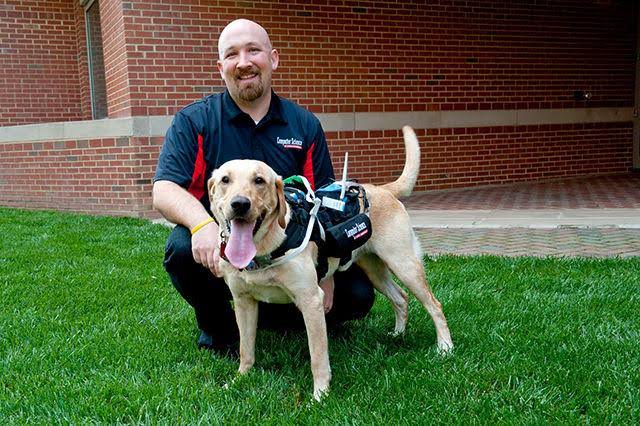
Finding suitable accommodation for a dog requires more than comparing prices or checking whether a facility has available space. Owners need confidence that their pets will receive appropriate supervision, comfortable sleeping arrangements, regular exercise, and attentive care throughout their stay. Choosing a trusted dog boarding and care facility means finding an environment where safety, health, and individual needs remain priorities.
For dog owners considering professional care options, businesses such as Rob’s Dog Training highlight the importance of understanding canine needs when making decisions about a pet’s well-being. However, knowing what to look for in a boarding provider is equally important. Evaluating the facility, its staff, daily routines, and safety procedures can help owners make informed decisions and give their dogs a more comfortable experience.
What Makes a Dog Boarding Facility Trustworthy?
A reliable boarding environment should provide more than basic food, water, and shelter. Dogs need consistent attention, suitable activities, opportunities to rest, and an environment that accommodates their individual temperaments.
Several factors can help owners determine whether a facility meets these expectations.
1. Proper supervision and trained staff
Staff members should understand canine behavior and recognize signs of stress, discomfort, fear, or illness. Their ability to interpret body language can help them respond appropriately when a dog becomes anxious or uncomfortable.
Ask about staff availability throughout the day and night, caregiver-to-dog ratios, and employee training. A facility should also have clear procedures for handling unexpected situations, including behavioral concerns and medical emergencies.
2. Clean and comfortable accommodations
Sleeping areas should be clean, well-maintained, appropriately ventilated, and large enough for dogs to rest comfortably. Owners should also check whether the facility follows regular cleaning and sanitation schedules.
Food and water containers, shared play areas, and frequently touched surfaces should receive appropriate attention. Good hygiene practices help maintain a healthier environment for every dog staying at the property.
3. Clear safety procedures
Physical security is another important consideration. Secure fencing, properly maintained gates, controlled entry points, and appropriate separation between dogs can reduce the risk of escapes and prevent avoidable incidents.
Ask how staff introduce unfamiliar dogs, manage group activities, and handle disagreements between animals. A responsible provider should be able to explain its safety procedures clearly.
Evaluate the Daily Care Routine Before Booking
A dog’s experience during boarding depends heavily on what happens throughout the day. A structured routine provides predictability while allowing enough flexibility to accommodate individual preferences and physical requirements.
Before making a reservation, ask how the facility organizes its daily activities.
Exercise and Physical Activity
Regular movement supports canine physical health and helps dogs maintain familiar activity patterns. However, exercise requirements differ according to age, breed, health, fitness, and individual temperament.
Some dogs enjoy longer walks and active play, while others benefit from shorter, gentler activities. Puppies, senior dogs, and pets with mobility limitations may require additional consideration.
A suitable boarding provider should adjust activities according to each dog’s capabilities rather than applying the same exercise schedule to everyone.
Mental Stimulation and Enrichment
Physical activity is only one part of canine well-being. Dogs also benefit from opportunities to use their senses, solve simple problems, and engage with their surroundings.
Mental enrichment activities may include:
- Interactive toys and food puzzles.
- Supervised scent-based games.
- Basic training exercises.
- Appropriate opportunities for exploration.
- Positive interactions with familiar caregivers.
These activities can provide meaningful stimulation during a boarding stay. The appropriate level of enrichment should depend on the dog’s interests, confidence, and ability to participate comfortably.
Rest and Quiet Time
An active schedule should include sufficient opportunities for uninterrupted rest. Dogs can become tired or overstimulated when activities continue without appropriate breaks.
Ask whether the facility provides designated sleeping areas and quiet periods throughout the day. Dogs should have a comfortable place to retreat when they need space away from other animals or busy surroundings.
Consider Your Dog’s Personality and Behavioral Needs
Not every dog responds to boarding in the same way. Some enjoy meeting unfamiliar people and animals, while others need more time to become comfortable in new environments.
Temperament, previous experiences, socialization, and established routines can all influence how a dog adjusts to temporary accommodation.
Before choosing a provider, consider the following questions:
- Does your dog feel comfortable around unfamiliar dogs?
- Does your pet become anxious when separated from familiar people?
- Are there particular sounds, activities, or environments that cause discomfort?
- Does your dog have established feeding, sleeping, or exercise routines?
- Are there behavioral concerns that caregivers should understand?
A responsible provider should welcome this information and use it to determine appropriate care arrangements.
Social interaction should also be managed carefully. Group play is not suitable for every dog, and participation should never be treated as a requirement. Some pets are more comfortable with individual attention, controlled introductions, or separate activity areas.
Check Health Requirements and Emergency Preparedness
Health and hygiene procedures deserve careful attention when evaluating boarding accommodations. Since multiple dogs may share the same environment, responsible providers should have appropriate policies for reducing the spread of infectious diseases.
Ask about vaccination requirements, parasite prevention, cleaning protocols, and procedures for dogs that develop symptoms during their stay.
Owners should also communicate any existing health concerns, dietary restrictions, allergies, or medication requirements before arrival.
Emergency preparedness is equally important. Find out whether staff members know how to respond to injuries or sudden illness, whether veterinary assistance is accessible, and how owners are contacted when concerns arise.
Providing accurate veterinary information and emergency contact details helps caregivers respond more effectively if an unexpected situation occurs.
Prepare Your Dog for a More Comfortable Boarding Experience
Even a well-managed facility can feel unfamiliar to a dog experiencing overnight boarding for the first time. Preparing in advance can make the transition easier and help caregivers maintain consistency.
Consider taking these steps before the scheduled stay:
- Arrange a preliminary visit. Allow your dog to become familiar with the environment, where possible, before the actual boarding period.
- Discuss established routines. Share feeding times, preferred activities, sleeping habits, and behavioral information.
- Pack appropriate supplies. Provide approved food, medications, and familiar items if the facility permits them.
- Share veterinary records. Make sure vaccination details and relevant medical information are available.
- Confirm drop-off and collection arrangements. Understand the facility’s policies, operating hours, and communication procedures.
Maintaining familiar routines can help reduce unnecessary changes during the stay. Owners should also avoid introducing unfamiliar foods or making significant schedule changes immediately before boarding.
Questions to Ask Before Selecting a Dog Care Provider
A facility may look appealing during an initial visit, but asking specific questions can reveal important details about its actual care standards.
Consider discussing these points with the management team:
- What supervision is provided throughout the day and overnight?
- How are dogs assessed before joining group activities?
- What happens if a dog becomes anxious or refuses to eat?
- How frequently are sleeping and play areas cleaned?
- What arrangements are available for dogs with special dietary or medical requirements?
- How does the facility communicate updates to owners?
- What procedures are followed during veterinary emergencies?
Pay attention to how staff members respond. Clear explanations, consistent policies, and a willingness to discuss individual needs are positive signs. Owners should feel comfortable raising concerns before committing to a booking.
Make Your Dog’s Well-Being the Priority
Choosing suitable boarding accommodation involves looking beyond attractive facilities and convenient booking arrangements. Supervision, hygiene, safety, exercise, mental enrichment, and individualized attention all contribute to a dog’s experience.
A trusted dog boarding and care facility should recognize that every animal has different requirements and provide an environment where those differences are respected. Rob’s Dog Training understands the importance of responsible dog care and the role that appropriate attention plays in supporting canine well-being. By visiting potential providers, asking detailed questions, and preparing pets before their stay, owners can make more confident decisions about temporary care.
Ultimately, the right boarding arrangement should give dogs the attention and comfort they need while allowing owners to feel assured that their companions are being cared for responsibly. Taking time to evaluate these factors helps establish realistic expectations and supports a safer, more positive boarding experience.